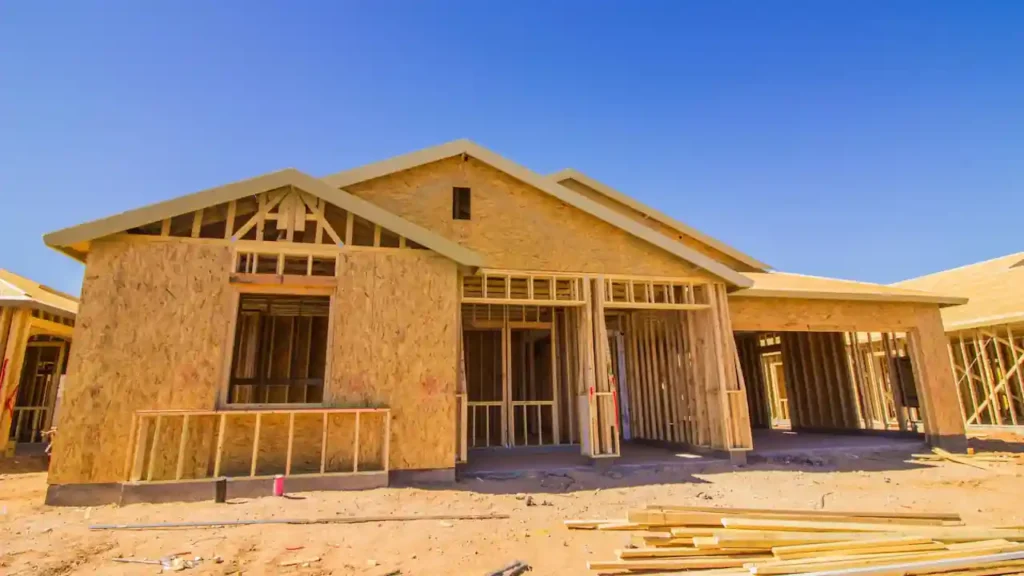
Building a custom home is exciting, but construction budget mistakes can turn a well-planned project into a financial challenge. What starts as a reasonable estimate can quickly change when unexpected expenses, incomplete contractor quotes, and last-minute decisions begin adding up.
Many homeowners focus on the cost of materials and labor without accounting for everything needed to complete their homes. Permit fees, site preparation, utility connections, financing expenses, and design changes can create budget problems long before construction is finished.
At Empower Builds, we understand how important financial planning is during the homebuilding process. With over 25 years of experience in custom home construction, land development, real estate, and project management, we help homeowners understand construction costs and make informed decisions.
In this guide, we’ll explain 10 common construction budgeting mistakes, why they happen, and what you can do to avoid them.
Why Construction Budget Mistakes Can Be So Expensive
A construction budget is more than an estimate of how much a house will cost. It is a financial plan that accounts for the different stages of construction, expected expenses, payment schedules, and potential changes.
When a budget leaves out important costs, homeowners may face difficult decisions after construction has already started.
For example, imagine setting aside nearly all your available funds for the house itself, only to discover that the original estimate didn’t account for driveway construction, utility connections, or final landscaping.
Those expenses still need to be covered, even if the home is close to completion.
The National Association of Home Builders’ 2024 construction cost survey identified interior finishes, major system installations, and framing among the largest categories of construction spending. However, actual expenses vary depending on location, home design, and project requirements.
Understanding where your money will go is one of the first steps toward protecting your construction budget.
10 Common Construction Budget Mistakes and How to Avoid Them
1. Starting Construction Without a Complete Budget
One of the biggest mistakes homeowners make is beginning construction with only a rough estimate.
A contractor may provide a price for building the house, but that figure might not include all the expenses necessary to finish the project.
Without a complete budget, it’s difficult to know whether you can realistically afford the home you want to build.
How to avoid this mistake:
Break your construction budget into individual categories before work begins.
Include site preparation, foundation work, framing, roofing, plumbing, electrical systems, HVAC, interior finishes, permits, and other project-specific expenses.
Also identify costs that fall outside contractor proposals, such as financing, insurance, and temporary utilities.
If you’re unsure how these expenses fit together, our custom home construction cost guide explains the major costs involved in building a home.
2. Forgetting to Set Aside Money for Unexpected Expenses
Even carefully planned construction projects can encounter unexpected conditions.
A contractor may discover unsuitable soil during excavation. Material prices may change, or a required design adjustment could increase labor costs.
Without a contingency fund, these situations can force homeowners to use money intended for other parts of the project.
How to avoid this mistake:
Set aside a separate contingency allowance based on the complexity of your project and the risks that remain unresolved.
Some construction budgets use a contingency starting point around 10% of estimated construction costs, but that is only an illustrative planning assumption. Projects with uncertain ground conditions, incomplete plans, or other risks may need more.
For example, a 10% contingency on a $400,000 construction budget would equal $40,000.
The right amount should reflect your specific project rather than a fixed rule.
Keep contingency money separate from planned upgrades so you don’t spend it on optional improvements.
3. Choosing the Lowest Contractor Bid Without Comparing the Details
A lower contractor quote may look attractive, especially when you’re trying to control costs.
However, not every bid includes the same materials, labor, specifications, or responsibilities.
One subcontractor might include cleanup, equipment, and material delivery, while another might charge separately for those items.
If you compare only the final prices, you could choose an incomplete proposal and pay more later.
How to avoid this mistake:
Before selecting a contractor, compare what each proposal actually includes.
Review material specifications, labor, allowances, exclusions, payment terms, and anticipated schedules.
Ask contractors to explain unclear items and confirm important details in writing.
Our owner-builder consulting services include guidance on reviewing subcontractor proposals and understanding construction management responsibilities.
4. Underestimating Site Preparation and Utility Costs
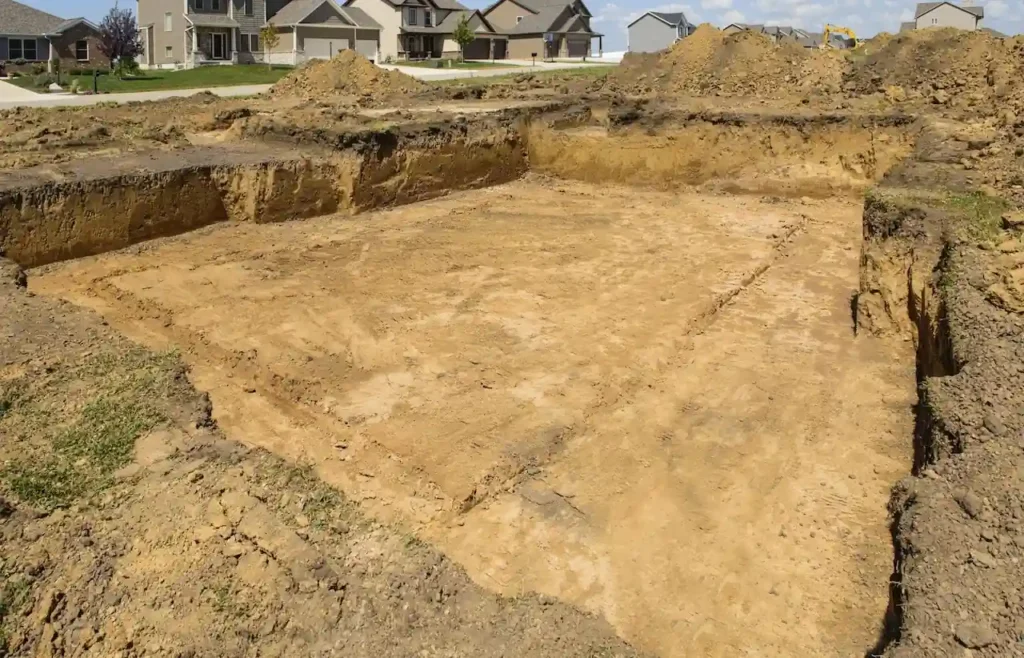
The price of purchasing land is only one part of preparing a property for construction.
Depending on the location, you may need excavation, grading, drainage work, utility connections, tree removal, or special foundation preparation.
These costs can be substantial, particularly when a property has difficult terrain or limited access to existing utilities.
How to avoid this mistake:
Investigate property conditions before finalizing your construction budget.
Determine whether the site has access to water, sewer, electricity, and other required services.
Ask qualified local professionals about surveys, soil testing, grading, drainage, and other site-specific work.
Don’t assume that two properties with similar purchase prices will have similar construction preparation costs.
5. Making Too Many Design Changes During Construction
Changing your mind about a floor plan, window placement, plumbing location, or interior finish may seem manageable.
But design changes after construction begins can require additional materials, labor, revised drawings, and changes to previously completed work.
These expenses are commonly associated with construction change orders.
For example, moving a bathroom fixture after plumbing rough-in may involve more than purchasing a different fixture. Depending on the circumstances, it could require new plumbing work, inspections, or changes to nearby construction.
How to avoid this mistake:
Review your floor plans, specifications, and important material selections before construction begins.
Make major decisions early whenever possible.
When considering a change, request a written cost estimate and ask how the adjustment may affect the schedule.
Keep a separate record of approved changes so you can see how they influence the total project budget.
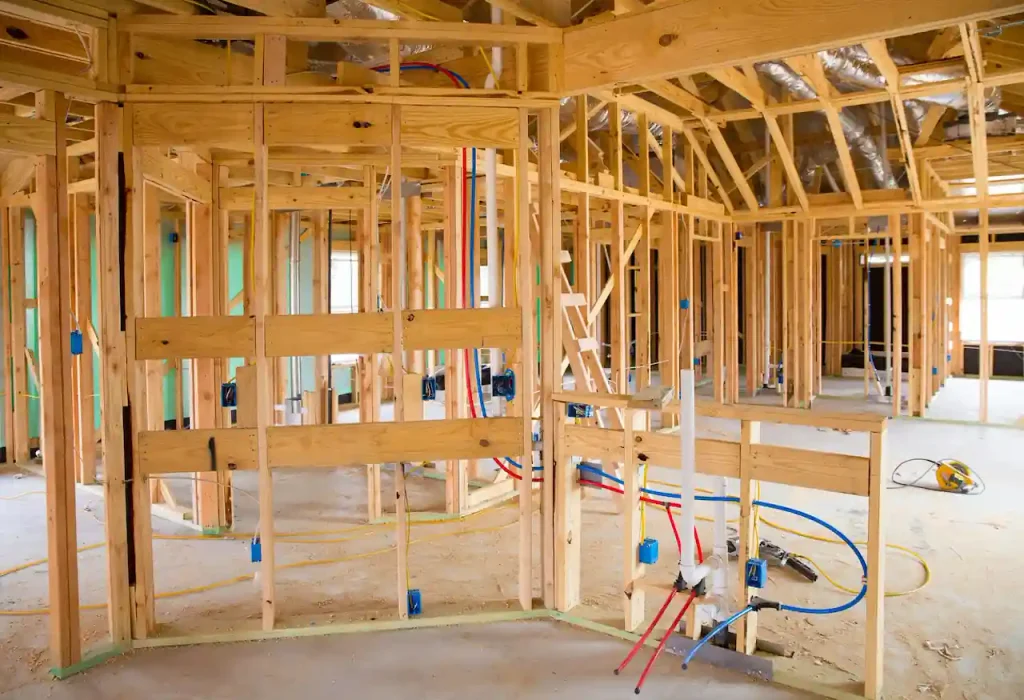
6. Overlooking Permit Fees, Inspections, and Professional Services
Homeowners sometimes concentrate on visible construction work and forget about the administrative and professional expenses involved.
Depending on the location and project, these may include building permits, impact fees, architectural drawings, engineering services, land surveys, and required inspections.
These costs can affect the budget before the foundation is poured.
How to avoid this mistake:
Contact your local building department to understand the approvals and fees that may apply to your plans.
Ask your designer, engineer, or contractor which professional services are included in their proposal and which will be billed separately.
Keep these expenses in dedicated budget categories rather than assuming they’re part of general construction costs.
7. Ignoring Construction Loan and Financing Expenses
If you’re financing your home build, your budget needs to reflect more than the cost of construction.
Construction loans can involve interest, lender fees, inspections, draw-related requirements, and other financing expenses.
Some lenders release construction funds in stages as the project progresses, which can affect payment planning.
How to avoid this mistake:
Review loan terms carefully before beginning construction.
Understand when funds become available, how interest is calculated, what documentation the lender requires, and when payments are due.
Also discuss what happens if the project is delayed or construction costs exceed the approved budget.
Compare the financing requirements with your construction schedule so you can plan subcontractor payments more effectively.
8. Spending Too Much on Upgrades Early in the Project
Upgrades can make a custom home more comfortable and personal, but small increases across multiple categories can quickly affect your budget.
Higher-end flooring, countertops, cabinets, fixtures, windows, and appliances may each appear affordable individually.
Together, however, they can consume funds needed for essential construction work.
How to avoid this mistake:
Separate your selections into essential requirements and optional upgrades.
Establish spending limits for major finish categories before shopping.
Track the total cost of upgrades rather than evaluating each purchase on its own.
If you’re considering a higher-priced selection, determine which other category will absorb the difference without reducing essential work or contingency funds.
9. Failing to Track Construction Expenses Throughout the Build
A budget created before construction begins is useful only if you continue updating it.
Without regular tracking, homeowners may not notice cost increases until a large portion of their available funds has already been committed.
For example, several subcontractor invoices may each exceed their estimates by relatively small amounts. If those differences aren’t recorded, the combined overrun can become significant.
How to avoid this mistake:
Maintain an updated construction budget showing your original estimate, approved changes, committed costs, payments made, and remaining funds.
Review expenses regularly and reconcile invoices with contracts and completed work.
Construction management tools can help organize this information.
At Empower Builds, we provide Buildertrend guidance to help homeowners understand project budgeting, scheduling, and documentation features.
10. Planning Only for Construction, Not Project Completion
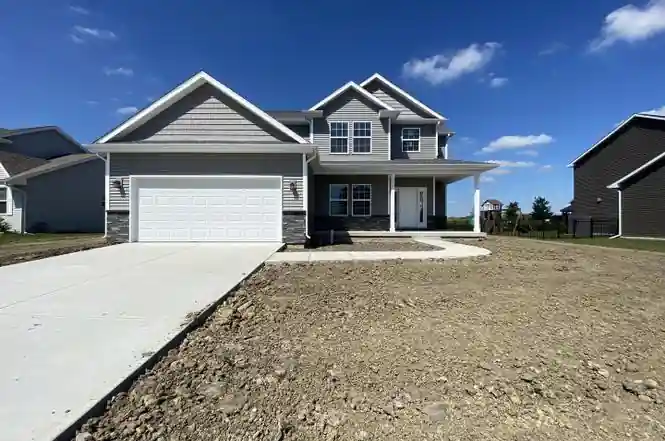
One of the most frustrating situations for homeowners is reaching the final stages of construction and discovering that little money remains for essential finishing expenses.
Driveways, landscaping, final cleanup, appliances, exterior work, and required project closeout items can still create significant costs near completion.
Moving expenses and additional temporary housing costs may also affect the homeowner’s overall financial plan.
How to avoid this mistake:
Create a separate checklist of expenses required before your home is ready for occupancy.
Identify which items are included in existing contracts and which must be purchased or arranged separately.
Keep enough money available for these final obligations rather than using the remaining funds for optional upgrades.
How to Create a Realistic Home Construction Budget
Avoiding individual mistakes is important, but homeowners also need a practical system for controlling expenses from beginning to end.
Start With a Detailed Cost Breakdown
Instead of relying on one construction estimate, organize your budget into clear spending categories.
A useful budget structure might look like this:
| Budget Category | What to Include |
| Land and site preparation | Clearing, grading, excavation, surveys, utility access |
| Plans and approvals | Architectural plans, engineering, permits, applicable fees |
| Foundation and structure | Concrete, framing, roofing, structural materials |
| Mechanical systems | Plumbing, electrical, HVAC |
| Interior finishes | Flooring, cabinets, countertops, paint, fixtures |
| Exterior completion | Driveway, drainage, landscaping, cleanup |
| Financing and project expenses | Loan expenses, insurance, temporary utilities |
| Contingency | Funds reserved for unforeseen costs |
The specific categories and amounts will depend on your home design, property, location, and construction arrangement.
Track Estimated, Committed, and Actual Costs Separately
A useful construction budget should distinguish between money you expect to spend and money you’ve already committed or paid.
| Budget Field | Purpose |
| Original estimate | Your initial planned cost |
| Approved budget | Current budget after authorized changes |
| Committed cost | Amount covered by signed contracts or purchase orders |
| Actual paid | Money already paid |
| Forecast final cost | Expected total after known changes |
| Variance | Difference between the approved budget and forecast final cost |
This structure helps you recognize cost increases before they become difficult to manage.
Review Your Budget Before Approving Changes
Every significant construction change deserves a financial review.
Before approving additional work, consider whether the change is necessary, what it will cost, how it affects other trades, and whether it changes the construction timeline.
A written change-order process can help you keep decisions organized.
Keep Your Construction Budget Updated
Make time to review your budget throughout the project, especially before large payments and major construction milestones.
Compare invoices against agreed work, verify changes, and revisit your forecast for remaining expenses.
A consistent review process is often more useful than attempting to correct financial problems after the budget has already been exceeded.
Example: How Small Budget Mistakes Add Up
Consider a homeowner planning a custom house with an estimated construction budget of $400,000.
The initial budget appears sufficient, but several costs were overlooked or underestimated.
| Budget Issue | Additional Cost |
| Additional site preparation | $8,000 |
| Electrical upgrades | $4,500 |
| Kitchen and bathroom selections | $7,500 |
| Permit and utility-related expenses | $5,000 |
| Scheduling-related costs | $3,000 |
| Total additional expenses | $28,000 |
In this hypothetical example, the additional expenses equal 7% of the original construction estimate.
If the homeowner had no contingency allowance and no clear record of changes, these costs could create financial pressure before the project was completed.
The figures are illustrative, not actual Empower Builds project results or typical market quotes.
This example shows why realistic allowances, detailed estimates, and regular budget reviews matter throughout construction.
Should You Manage Your Own Construction Budget?
Some homeowners choose to manage their construction projects as owner-builders because they want more visibility into spending and greater control over decisions.
This approach can provide direct involvement in comparing proposals, selecting materials, reviewing expenses, and managing the construction schedule.
However, acting as your own builder also means accepting additional responsibilities.
You’ll need to understand contracts, coordinate subcontractors, monitor expenses, plan payments, and manage problems when they arise.
Before deciding, it’s worth understanding the differences between an owner-builder and a general contractor.
The right approach depends on your experience, available time, project complexity, and local requirements.
How Empower Builds Helps Homeowners Make Better Budget Decisions
A construction budget can be difficult to manage when you’re handling unfamiliar estimates, subcontractor proposals, and unexpected expenses for the first time.
At Empower Builds, we provide virtual construction consulting that helps homeowners understand important financial and project management decisions.
We can assist with reviewing construction estimates, evaluating subcontractor proposals, organizing budget information, and understanding the cost implications of scheduling or scope changes.
Our role is to provide experienced guidance while you remain responsible for managing your construction project.
We don’t guarantee particular savings or take over onsite construction activities. Instead, we focus on helping homeowners make informed decisions and maintain better visibility into their budgets.
If you’d like to understand our consulting approach, explore our virtual construction consulting services to learn how remote guidance works.
Frequently Asked Questions
What is the biggest budgeting mistake when building a house?
One of the most serious mistakes is beginning construction without a complete budget. If your estimate excludes permits, site preparation, financing, utilities, or contingency funds, you may face unexpected expenses that affect the rest of your project.
How much extra money should I budget when building a house?
Your contingency should depend on the project’s complexity, design completeness, and site conditions. A 10% allowance is sometimes used as an initial planning example, but some projects require more. Review the amount with qualified professionals familiar with your project.
What costs do homeowners commonly forget when building a house?
Commonly overlooked expenses include land surveys, permits, utility connections, financing costs, insurance, temporary utilities, driveways, landscaping, appliances, and final cleanup. The exact costs depend on your property and construction contracts.
How do I avoid going over budget when building a house?
Start with a detailed construction budget, compare contractor proposals carefully, track spending, establish contingency funds, and review the cost of every major change before approving it. Regular financial reviews can help identify potential overruns early.
Why do construction projects go over budget?
Projects may exceed their budgets because of incomplete estimates, design changes, unexpected site conditions, material price changes, subcontractor issues, delays, or poor expense tracking. Some factors are unavoidable, but careful planning can reduce financial surprises.
Is the cheapest contractor quote always the best option?
No. The lowest bid may exclude materials, labor, delivery, cleanup, or other work included in competing proposals. Compare the scope, qualifications, pricing, and contract terms before making a decision.
Can I save money by managing my own home construction?
Managing your own construction project may reduce certain contractor management expenses, but savings aren’t guaranteed. You’ll also take on responsibilities involving scheduling, subcontractor coordination, budgeting, and project decisions.
How often should I review my home construction budget?
A weekly review can be useful during active construction, along with additional checks before major payments, change orders, and project milestones. The frequency should match the pace and complexity of your build.
Can a construction consultant help me stay within budget?
A construction consultant can help you understand estimates, review proposals, organize cost information, and consider the financial impact of construction decisions. However, consultants cannot guarantee that a project will remain within its original budget.
Final Thoughts: A Better Budget Starts With Better Planning
Building a custom home involves more than calculating the price of materials and labor.
A realistic construction budget should account for the entire building process, from early site preparation and financing to final finishes and project completion.
The most common construction budget mistakes often come from incomplete estimates, unclear contractor proposals, unplanned changes, and poor expense tracking.
Taking time to understand these risks before construction begins can help you make more informed decisions and respond more effectively when unexpected costs arise.
At Empower Builds, we help homeowners approach the building process with clearer expectations, practical construction knowledge, and experienced virtual consulting support.
Schedule Your Free 30-Minute Consultation to discuss your custom home construction plans and budgeting concerns.