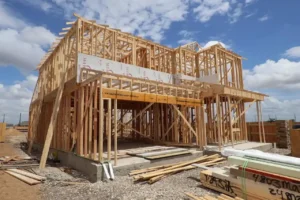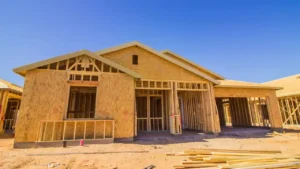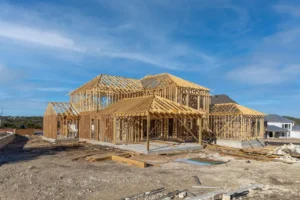
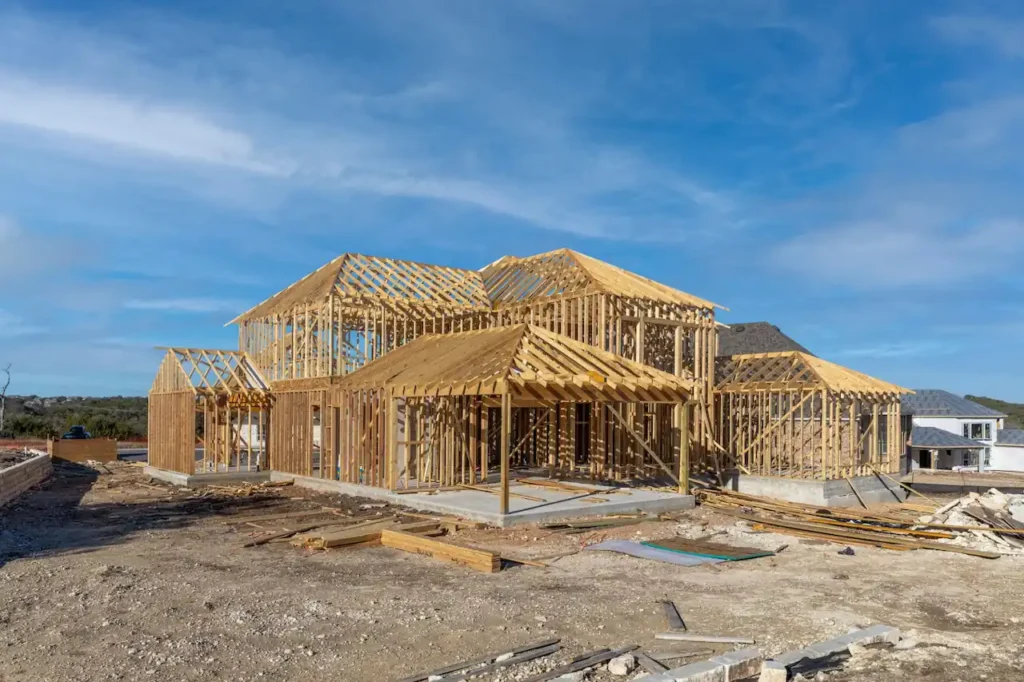
When planning a custom home, it is easy to focus on the obvious expenses: land, foundation, framing, roofing, plumbing, electrical work, HVAC, and interior finishes.
The problem is that your final project cost can include many expenses that were not obvious in the original construction estimate.
I call these hidden costs of building a custom home, although many are not truly hidden. They are simply overlooked, underestimated, excluded from an early bid, or discovered only after more information about the property and project becomes available.
Understanding these costs before construction begins can help you create a more realistic budget and reduce financial surprises later.
1. Site Preparation Can Cost More Than Expected
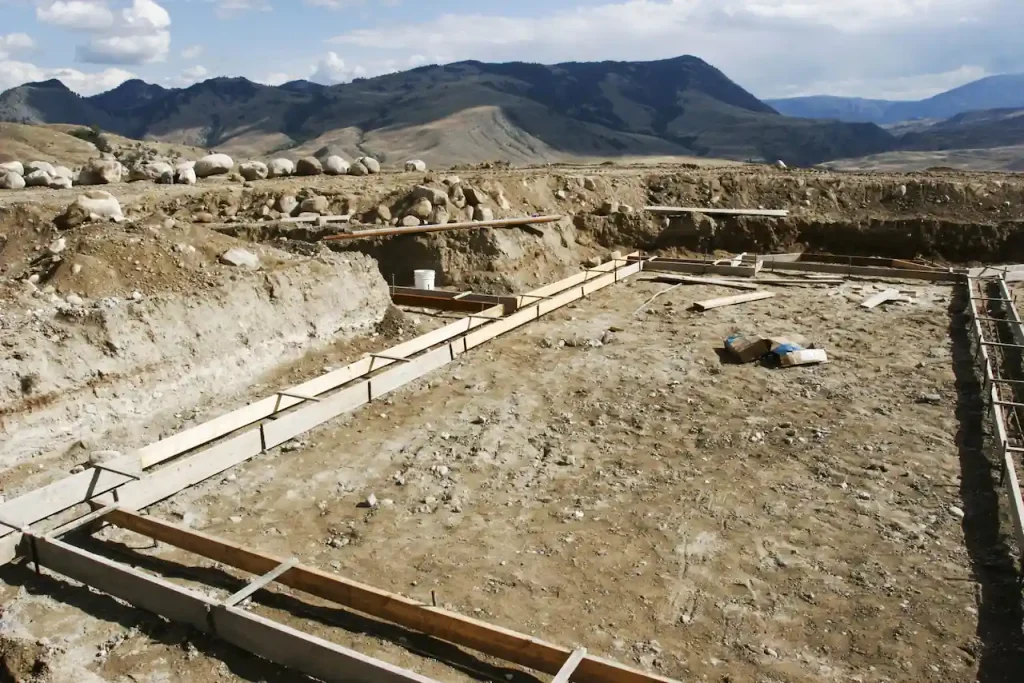
Buying the land does not mean the property is ready for construction.
Depending on the site, you may need clearing, excavation, grading, drainage improvements, soil-related work, rock removal, retaining walls, temporary access, or other preparation before the foundation can begin.
A lower-priced property can sometimes require significantly more development work than a more expensive lot.
Investigate the Property Early
I recommend learning as much as possible about site conditions before finalizing the house budget.
Your land and your home design need to be considered together. A design that works easily on one property may require significant additional work on another.
If you are still considering your design, the free home plans from Empower Builds can be useful during the early planning stage.
2. Utility Connections Are Easy to Underestimate
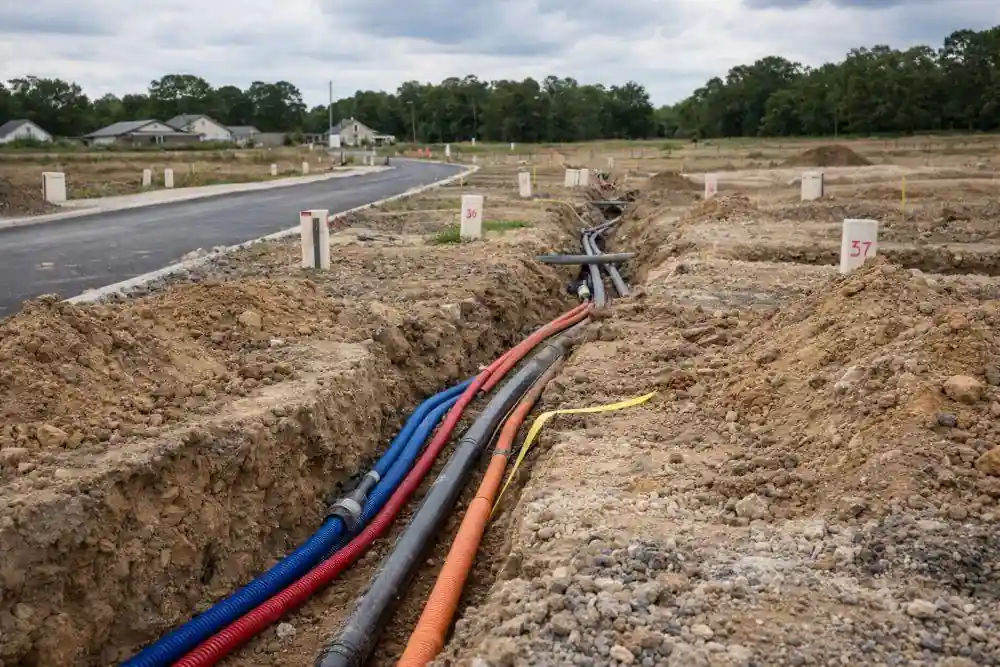
Water, sewer, electricity, gas, internet, well systems, and septic systems can create expenses that are not always included in the initial house estimate.
The cost depends heavily on what already exists at the property and how far services need to be extended.
You may also need temporary power or water during construction.
I recommend identifying utility requirements before treating your construction budget as complete.
3. Plans, Engineering, Permits, and Professional Fees
Physical construction is only one part of building a custom home.
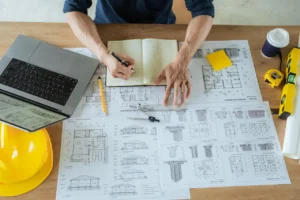
Depending on your project and jurisdiction, you may need architectural plans, structural engineering, surveys, additional engineering, permit applications, plan reviews, inspections, or other professional services.
Some of these expenses occur before excavation even begins.
If you are managing the project yourself, understanding what an owner builder is can help you identify which responsibilities you may need to coordinate.
4. Construction Financing Has Its Own Costs
If you are using a construction loan, do not look only at the amount you can borrow.
Financing may involve lender fees, inspections, draw requirements, interest during construction, documentation, and other expenses depending on your loan structure.
Delays can also matter financially. If construction takes longer than expected, carrying costs may continue for longer than originally planned.
Think About Cash Flow Too
Your overall budget might be sufficient while your available cash at a particular stage is not.
Understand when subcontractors require payment and when your lender releases funds so you can identify potential cash-flow gaps before invoices become due.
5. Allowance Overages Can Quietly Increase the Budget
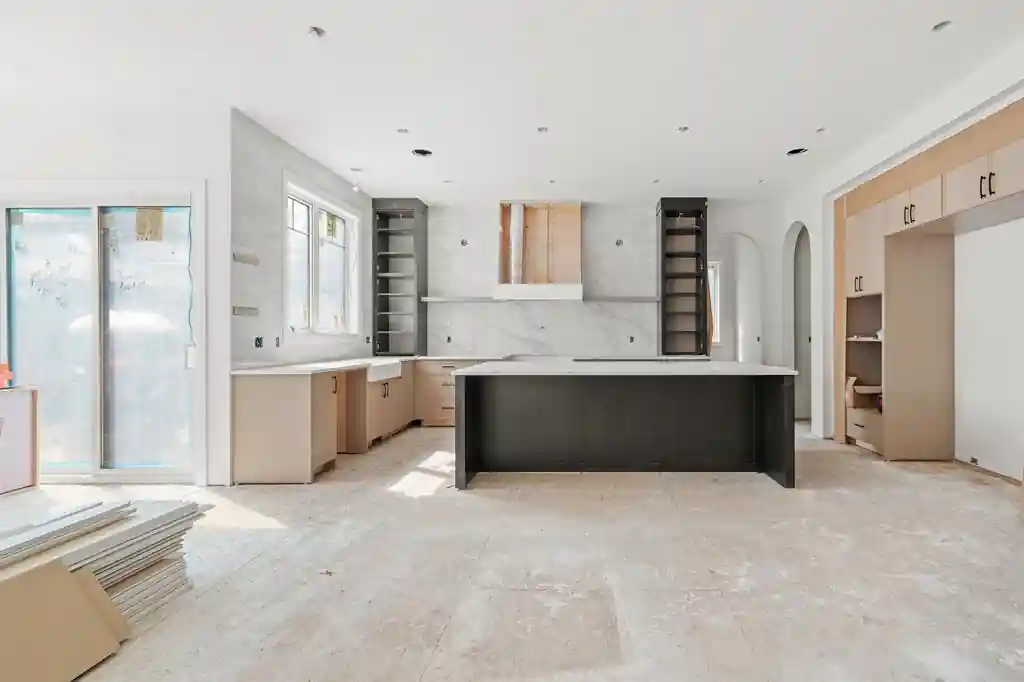
Allowances are one of the easiest places for a custom-home budget to become unrealistic.
Suppose your budget includes $15,000 for cabinets, but the cabinets you eventually select cost $24,000. That single category has increased your project cost by $9,000.
Now repeat that across flooring, countertops, lighting, appliances, plumbing fixtures, tile, and other finishes.
The individual upgrades may appear manageable, but collectively they can create a substantial increase.
This is why I recommend reviewing actual products against your allowances before construction begins. You can also review what Empower Builds does to understand how budgeting and bid-related guidance can support an owner-builder project.
6. Change Orders and Rework Can Become Expensive
Changes are usually easier and less expensive before work has been completed.
Moving an electrical outlet on a plan is different from moving it after drywall has been installed. Changing a window before ordering is different from changing it after framing has been completed.
A modification can affect more than one trade, which means the real cost may include additional materials, labor, schedule changes, and rework.
Before approving a change, I recommend asking:
What does this change cost, what other work does it affect, and will it delay the project?
7. Exterior Completion Costs May Be Missing
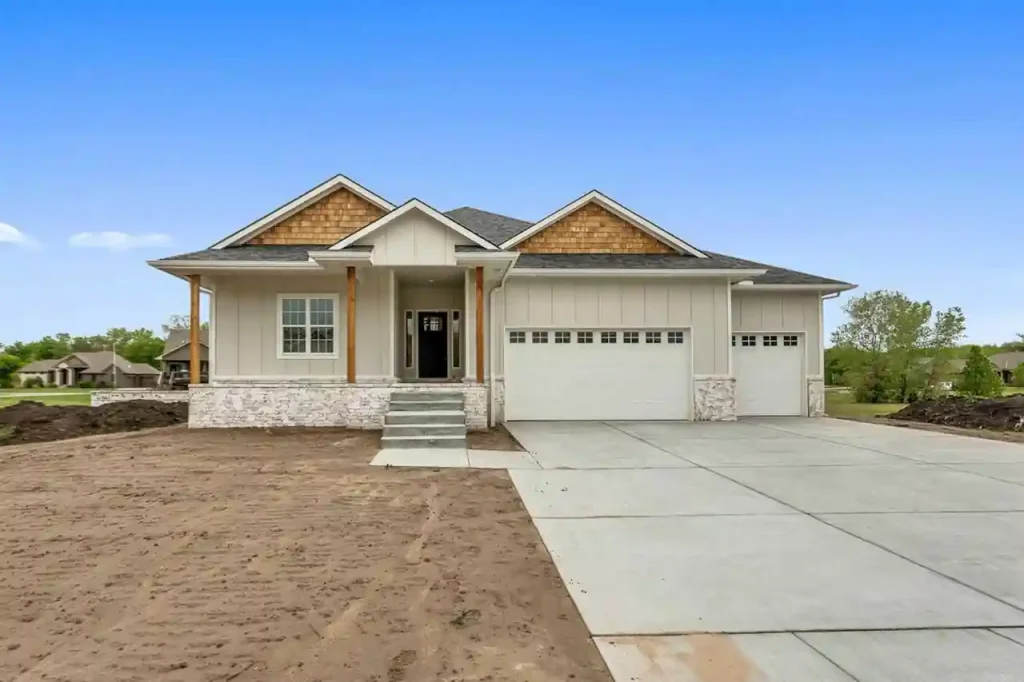
A house can be nearly complete while several major expenses remain.
Driveways, walkways, patios, decks, landscaping, irrigation, fencing, exterior lighting, final grading, drainage improvements, and other exterior work may not be included in the primary construction estimate.
These costs can become particularly difficult if most of your budget has already been committed to the house.
Keep a separate exterior-completion category rather than assuming everything outside the walls is included.
8. Cleanup, Equipment, and Temporary Construction Costs Add Up
Smaller construction expenses are easy to overlook because no single item appears significant.
Dumpster rental, portable facilities, temporary fencing, equipment rental, material delivery, storage, site cleanup, temporary utilities, and similar expenses can accumulate over the course of a build.
Whether these costs are included in subcontractor proposals varies.
That is why comparing scope is just as important as comparing price.
9. Schedule Delays Can Create Financial Costs
A construction delay does more than change the completion date.
It can affect financing, temporary housing, equipment rentals, subcontractor availability, storage, material deliveries, and other project expenses.
For example, if one trade is delayed, the next subcontractor may no longer be available when you originally expected.
Keeping the budget and schedule connected can help you see these risks earlier. For homeowners managing their own projects, Buildertrend support can help organize schedules, budgets, documents, and project communication.
10. The Final Stage of Construction Still Requires Money
One budgeting mistake I try to prevent is spending too aggressively during the middle of construction.
Appliances, final fixtures, landscaping, driveway work, punch-list items, cleanup, moving expenses, and other completion costs can arrive when a large portion of the budget has already been spent.
Before approving an optional upgrade, look at the entire remaining project.
Ask yourself whether enough money is still available to complete everything that has not yet been purchased, installed, or paid.
How Can You Prepare for Hidden Home-Building Costs?
You cannot predict every expense perfectly before construction begins, but you can reduce surprises.
Start with a complete project budget rather than just the cost of the house. Verify what bids include and exclude, research the site, use realistic allowances, track changes, and maintain a separate contingency for legitimate unexpected expenses.
If you are considering managing the project yourself, comparing an owner builder vs. general contractor can also help you understand how financial and project-management responsibilities change between the two approaches.
Being an owner builder can provide greater visibility into bids, selections, subcontractor costs, and changes, but it also requires stronger budget management.
Plan for the Costs Beyond the Construction Estimate
The biggest lesson is that the hidden costs of building a custom home are often expenses that were missing from the original financial picture.
Site development, utilities, professional fees, financing, allowances, changes, temporary construction expenses, exterior work, and delays can all affect what you ultimately spend.
I recommend asking one question whenever you review a construction estimate:
What is not included in this number?
That question can reveal more about your real project cost than simply comparing the total at the bottom of the proposal.
If you are planning to manage your own build, you can also explore how homeowners may build their own house without a general contractor while still using qualified professionals and guidance where appropriate.
If you want help understanding your budget, bids, schedule, or owner-builder strategy, contact Empower Builds to discuss your project.
Frequently Asked Questions
What are the most commonly overlooked costs when building a house?
Commonly overlooked expenses include site preparation, utility connections, permits, engineering, financing costs, temporary utilities, equipment, delivery fees, allowance overages, exterior improvements, landscaping, cleanup, and construction changes.
Are utility connections included in home construction costs?
Not always. Utility connections may be separate from the main construction estimate. Verify costs for water, sewer, electricity, gas, well, septic, and other required services for your property.
Why do custom home allowances cause budget problems?
Allowances are estimates for items not fully selected or priced. If your actual cabinets, flooring, fixtures, appliances, or other selections exceed those allowances, the difference increases your project cost.
Should I include contingency in my custom home budget?
Yes. A separate contingency can provide financial protection for legitimate unexpected conditions. It should generally remain separate from money allocated for elective upgrades or premium selections.
Can construction delays increase the cost of building a home?
Yes. Delays can affect financing, temporary housing, equipment rentals, subcontractor scheduling, storage, material deliveries, and other expenses depending on the project.
How can I identify hidden costs before construction?
Review every estimate for inclusions and exclusions, investigate site and utility requirements, verify permit and professional costs, test allowances against actual selections, and build a complete project budget before construction.