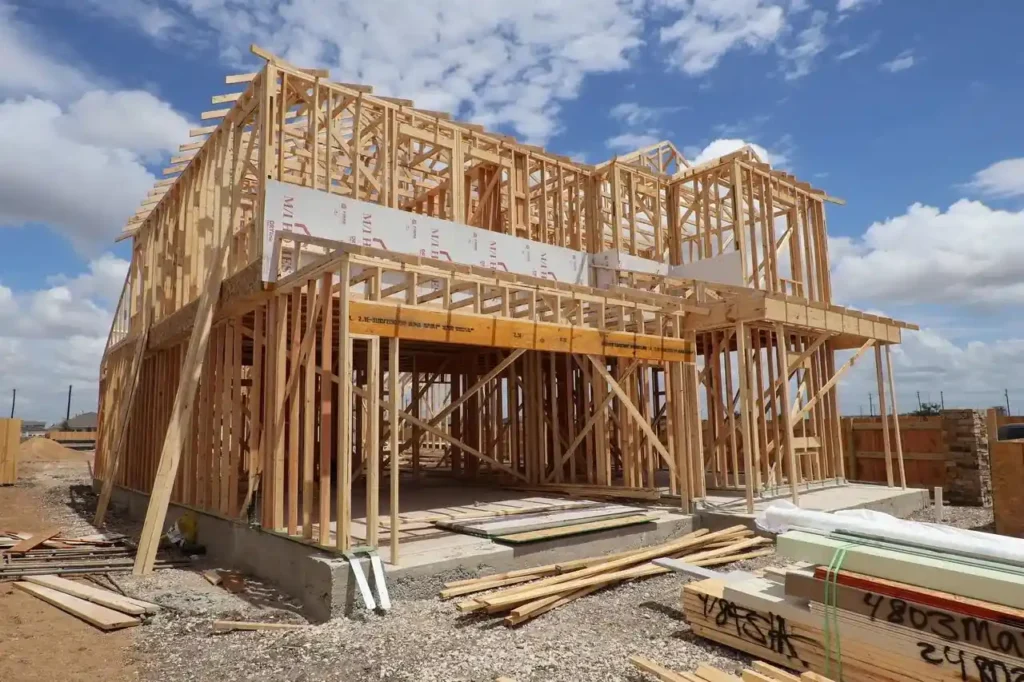
Managing the construction of your own home is a major responsibility. Instead of relying on a general contractor to coordinate everything, you take charge of scheduling subcontractors, tracking construction progress, managing expenses, and making decisions throughout the building process.
But how do you manage a home construction project yourself when you have never overseen an entire home build?
The key is to create a reliable management system before construction starts and use it consistently as the work progresses.
You do not need to perform every construction task yourself to manage your own home build. You can work with qualified contractors, engineers, designers, and other professionals while remaining responsible for the overall project.
At Empower Builds, we help homeowners understand these responsibilities through virtual owner-builder consulting. In this guide, we explain how to manage a home construction project step by step, from preparing your schedule and hiring subcontractors to handling construction payments and completing your home.
Can You Manage Your Own Home Construction Project?
Yes, homeowners may be able to manage their own construction projects under applicable owner-builder laws and local requirements.
When you become an owner-builder, you take on responsibilities that a general contractor would normally handle. These may include coordinating subcontractors, organizing project documents, monitoring schedules, managing payments, and arranging required inspections.
However, owner-builder exemptions and licensing requirements vary by state and local jurisdiction. Before taking on this role, confirm your eligibility and responsibilities with your local building department and relevant state licensing authority. You may also need appropriate insurance and qualified licensed professionals for certain activities.
Managing your project yourself is different from completing all the physical construction work. Your primary role is to organize the people, decisions, information, and resources needed to complete the house.
If you are still deciding whether this arrangement fits your experience and availability, read our guide to owner-builder vs. general contractor.
How to Manage a Home Construction Project Yourself: Step-by-Step Guide
A manageable home construction project begins with a clear system for handling responsibilities. The following steps explain how to turn a complicated building process into smaller activities you can monitor and organize.
Step 1: Establish a Complete Construction Management Plan
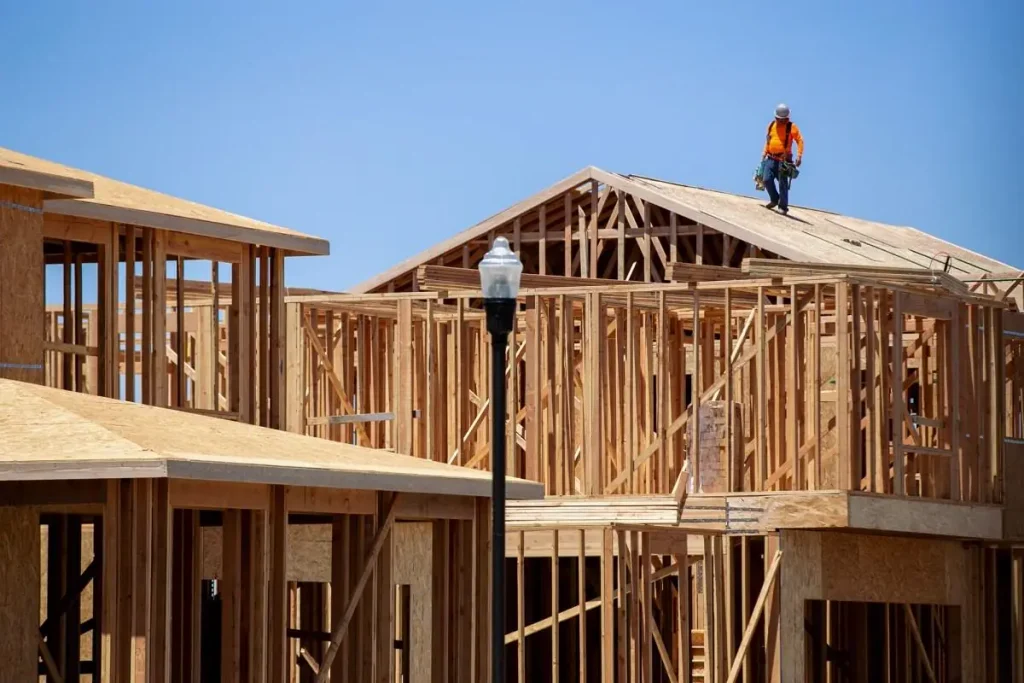
Before the first subcontractor arrives, make sure you understand the scope of your project and have access to the information needed to manage it.
Start with your approved construction plans, specifications, permit documents, contractor proposals, and expected project timeline.
Your management plan should identify the major construction phases, the professionals responsible for each phase, important approvals, and decisions that must be made before work can proceed.
For example, foundation construction cannot simply begin because an excavation contractor is available. Site conditions, approved plans, permit requirements, layout information, and the relevant inspections must also be considered.
Create a central project folder and a current list of outstanding tasks. For each task, record the responsible person, expected completion date, and any work that depends on it.
If you have not completed your early preparations, our owner-builder checklist explains what to organize before construction begins.
Step 2: Create a Construction Budget You Can Update
When managing your own home construction project, budgeting is not something you complete once and forget.
The original budget is your starting point. As construction progresses, you need to compare estimated costs with signed contracts, approved changes, payments already made, and remaining financial commitments.
A useful budget should separate the original estimate from actual expenses. It should also identify allowances, available contingency funds, and amounts committed but not yet paid.
Suppose your flooring allowance is $12,000, but the final material and installation costs total $15,500. The additional $3,500 needs to appear in your updated forecast before you commit funds to another upgrade.
Keep unexpected construction expenses separate from optional design improvements. This makes it easier to understand whether your contingency is being used to address genuine project conditions or personal selections.
Our custom home construction cost guide explains the major budget categories homeowners should consider when planning a build.
Step 3: Build a Construction Schedule Around Realistic Timelines
Your construction schedule should show more than estimated start and finish dates. It should provide a realistic timeline for completing major phases while accounting for contractor availability, material lead times, and required approvals.
Residential construction generally progresses through site preparation, foundation work, framing, roofing and exterior enclosure, mechanical and electrical rough-ins, insulation, drywall, interior finishes, and final completion activities.
However, the exact sequence and duration depend on your design, location, construction methods, weather conditions, and inspection requirements.
When developing your schedule, estimate the time each construction phase may require and identify dates that could affect overall completion. Include time for material ordering, necessary inspections, and possible delays rather than assuming every activity will finish under ideal conditions.
For example, custom cabinetry may require a substantial ordering and manufacturing period. If you wait until interior finishing begins to confirm the order, the delivery date could extend your overall construction timeline.
A practical approach: Review the next two to three weeks of planned activities regularly. Confirm upcoming work directly with the relevant trades, review expected deliveries, and update milestone dates when circumstances change.
A construction schedule should be a working management document, not a fixed calendar that becomes outdated as soon as the first delay occurs.
Step 4: Hire Subcontractors With Clearly Defined Responsibilities
Choosing subcontractors involves more than comparing prices.
Every proposal should explain what work is included, what materials will be supplied, who is responsible for related tasks, and how payment will be handled.
Before signing an agreement, verify the contractor’s licensing and insurance where required, review relevant experience, and confirm availability for the expected construction period.
Pay attention to exclusions. A plumbing proposal, for example, may cover installation work but exclude certain fixtures, excavation, connections, or restoration activities.
Two bids with different scopes cannot be compared fairly based on the total price alone.
Use written agreements that document the work, applicable specifications, payment milestones, change procedures, and responsibilities. Have qualified legal or construction professionals review agreements when necessary.
As the owner-builder, you remain responsible for hiring the professionals working on your project and confirming that their work arrangements comply with applicable requirements.
Step 5: Coordinate Subcontractors and Prepare for Each Construction Phase
Once construction begins, your job is to help ensure that each trade has the information, access, materials, and completed prerequisite work needed to perform its assigned tasks.
Unlike scheduling, which focuses on when activities should occur, construction coordination focuses on whether the project is actually ready for those activities.
Before confirming a subcontractor’s start date, check that the preceding work has reached the required stage, necessary materials are available, access arrangements are clear, and unresolved questions have been addressed.
For example, a countertop installer may not be able to take final measurements until the base cabinets are installed and the necessary sink or appliance specifications are confirmed. Booking the measurement too early can result in an unnecessary visit or additional scheduling delays.
Similar readiness checks apply throughout construction. Flooring installers, painters, cabinet installers, and other finishing trades often depend on earlier activities being completed correctly.
Maintain a short-term coordination record identifying which contractor is expected, what must be ready before arrival, and who is responsible for confirming those conditions.
Avoid booking multiple subcontractors into the same work area without understanding their requirements. Scheduling people too closely can create conflicts instead of accelerating progress.
The objective is not to control every movement on the jobsite. It is to recognize construction dependencies and make sure important decisions are addressed before they interfere with subsequent work.
Step 6: Create One System for Contractor Communication
Construction projects involve frequent questions about plans, materials, scheduling, and unexpected conditions.
If those conversations happen through scattered text messages, phone calls, and emails, important details can be lost.
Establish a consistent method for communicating with subcontractors and recording project decisions.
A simple project communication record can include:
- The date and description of an issue or requested change.
- The person responsible for responding.
- The decision or clarification required.
- The agreed next action and expected completion date.
- The final resolution and supporting documentation.
For example, if an electrician requests clarification about a lighting layout, record the question, obtain the necessary response from the appropriate professional or decision-maker, and share the confirmed information with the electrician.
When scope or pricing changes, document the agreement in writing before authorizing the affected work.
Construction management software can help organize these records. Empower Builds also provides guidance on using Buildertrend to manage construction schedules, documents, and project communication.
Step 7: Track Actual Progress Against Your Schedule
A construction project may appear busy without moving toward its next important milestone.
That is why progress tracking should focus on completed activities and outstanding requirements rather than simply counting the number of workers onsite.
Compare the reported status of each construction phase with what your schedule expected to be completed.
For example, a painting contractor may report that interior painting is finished. However, the homeowner’s progress record might still show unfinished touch-ups, rooms requiring additional work, or areas awaiting completion before the next finishing activity.
Instead of automatically marking the entire phase complete, record what has been reported, which items remain open, and what must be confirmed before the next activity proceeds.
Keep dated photographs, progress updates, inspection results, and records of incomplete work. Where technical verification is required, rely on the appropriate inspectors or qualified professionals rather than making your own assumptions about workmanship or code compliance.
A progress record should answer three practical questions: What has been reported complete? What still needs to be confirmed? What must happen before the next activity begins?
These distinctions are especially useful when contractor payments or construction milestones depend on the actual status of work.
Step 8: Control Changes Before They Affect Your Project
Changes during construction can influence several areas of your project at the same time.
Moving a bathroom wall, for example, could affect framing, plumbing, electrical installation, finishes, and inspection requirements.
Before authorizing a significant change, determine why it is needed, obtain updated pricing, identify affected trades, and understand any schedule implications.
Changes to structural elements, mechanical systems, or regulated work may require review and approval by design professionals or the building authority.
Keep a change log that records the original scope, proposed adjustment, approved amount, schedule effect, and relevant documentation.
This allows you to distinguish approved changes from informal requests or suggestions.
For example, replacing a specified exterior door with a larger model may require revised framing dimensions, updated material orders, and confirmation that the proposed installation complies with the approved design.
Resolving those questions before authorizing the change can help prevent avoidable rework.
When managing a home construction project yourself, one of the most useful habits is to resolve important design decisions before the related materials are ordered or work is installed.
Step 9: Manage Contractor Payments and Construction Loan Draws
Payment management is another important responsibility when you oversee your own home build.
Before making a payment, compare the request with the written agreement, applicable payment milestone, approved changes, and available evidence of work completed.
If you are using a construction loan, your lender may release funding through scheduled draws rather than providing the entire loan amount upfront.
Depending on your agreement, draw requests may require invoices, sworn construction statements, lien waivers, progress documentation, lender inspections, or other supporting records.
Keep an organized record of the amounts requested, approved, received, and paid. Confirm the documentation requirements directly with your lender and obtain legal guidance when questions arise about lien rights or waiver forms.
Example: Suppose a supplier requests payment for windows that have been delivered to the property but not yet installed. Before authorizing payment or including the expense in a construction draw, review the purchase agreement, applicable payment milestone, delivery confirmation, and any specific lender requirements.
This helps you understand whether the requested payment matches the agreed terms and what documentation may be necessary.
Empower Builds provides construction financing and draw documentation guidance as part of its virtual consulting services. Lenders remain responsible for approving and releasing construction funds.
Step 10: Complete Inspections, Closeout Documents, and Final Payments
Managing construction does not end when the major trades leave the property.
The final stage involves resolving remaining work, completing required inspections, collecting project documentation, and confirming that outstanding contractual responsibilities have been addressed.
You may need to coordinate final inspections, verify that corrections have been completed, organize warranties and equipment manuals, and obtain a certificate of occupancy or equivalent approval where required.
Maintain a list of incomplete or corrective items, sometimes called a punch list, and record which contractor is responsible for each item.
Before releasing final payments, review the relevant agreement, confirm required documentation, and follow applicable legal and lender requirements.
Once the project is complete, retain your permits, approved plans, inspection records, warranties, payment records, and other important documents for future reference.
A Practical Weekly Routine for Managing Your Home Build
You do not need to reinvent your management process every week. Establishing a repeatable routine makes it easier to keep important activities visible.
Here is an example of how an owner-builder can organize weekly project management responsibilities.
| When | Management Activity | What to Review |
| Beginning of week | Confirm upcoming work | Subcontractor schedules, site readiness, deliveries, inspections |
| Midweek | Review current progress | Completed tasks, outstanding issues, schedule changes |
| End of week | Update project records | Actual costs, approved changes, photographs, payment documents |
| Before the next week | Prepare upcoming decisions | Trade dependencies, selections, unresolved questions |
The exact routine depends on the complexity and current stage of your home build. Active construction may also require daily coordination and timely responses to urgent issues.
The important principle is to review information consistently instead of waiting until a problem causes a major delay.
How to Handle Common Problems During Home Construction
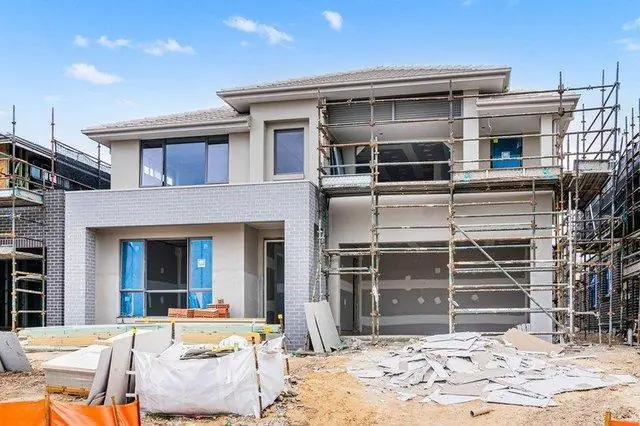
Even with careful preparation, construction projects encounter unexpected situations. A structured response is often more useful than making an immediate decision without enough information.
What if a Subcontractor Falls Behind Schedule?
First, confirm the reason for the delay and obtain a realistic update on when the assigned work may be completed.
Then review which other activities depend on that subcontractor’s work. Identify whether those activities need to move, whether independent work can continue, and whether the delay affects any delivery or inspection dates.
Document the revised expectations and discuss available options with the professionals involved.
What if the Actual Costs Exceed the Budget?
Identify the source of the increase before making further financial commitments.
Determine whether the additional expense comes from a required construction change, an incomplete original estimate, an allowance overrun, or an optional upgrade.
Update the remaining cost forecast, not just the amount already spent. This helps you evaluate the effect on your available funding and contingency.
If the change is significant, discuss your options with the relevant contractors, consultants, or lender before proceeding.
What if Work Does Not Match the Construction Plans?
Document the concern and compare the reported condition with the current approved drawings and relevant specifications.
Do not authorize additional work that could conceal or complicate the issue until the appropriate qualified professional has assessed it.
Depending on the problem, you may need clarification from the contractor, designer, engineer, or building department.
Keep the resulting instructions, approved revisions, and other supporting information in your project records.
When Should You Get Professional Help Managing Your Own Construction Project?
Managing your own home build does not require handling every decision without support.
Some homeowners are comfortable communicating with subcontractors but struggle with scheduling. Others understand their construction plans but need guidance organizing budgets, change orders, or lender documentation.
Professional consulting can be useful when you need to understand a management issue, evaluate available options, or improve how project information is organized.
At Empower Builds, we provide owner-builder consulting services to help homeowners navigate construction planning, scheduling, subcontractor coordination, financial documentation, and other project management responsibilities.
Our virtual guidance is designed for homeowners who want to remain actively responsible for their own construction projects while benefiting from professional advice.
We do not act as your general contractor, supervise jobsites, perform physical inspections, or take responsibility for local construction compliance. Instead, we guide you through the management process while you retain control over your project.
This approach may be helpful when you want professional input without transferring overall project management responsibilities to a traditional general contractor.
Frequently Asked Questions
Can I manage my own house construction without a general contractor?
In some locations, homeowners can manage their own construction under owner-builder rules or exemptions. The requirements vary, so you should confirm your eligibility, permit obligations, licensing rules, and responsibilities with the relevant authorities before starting.
How do I organize a home construction project?
Start with a current construction schedule, budget, approved plans, contractor agreements, and document management system. Track tasks by responsibility, completion status, and dependencies. Review upcoming activities regularly and document important decisions as construction progresses.
What is the hardest part of managing your own home build?
For many first-time owner-builders, coordinating subcontractors and responding to changing construction conditions can be particularly challenging. A delay or unresolved technical question in one phase may affect multiple trades, payments, or inspections.
Do I need construction experience to manage my own home build?
Construction knowledge can be valuable, but the experience and qualifications required depend on your location and project responsibilities. Even with consulting support, you must understand your legal obligations, have enough time to manage the project, and engage qualified professionals for work requiring specialized expertise.
What software can I use to manage home construction?
You can use spreadsheets, shared calendars, document storage systems, or specialized construction management platforms. Buildertrend is one option for organizing schedules, budgets, documents, and project communication. The best choice depends on your project complexity and how the people involved will use it.
How do I know if my construction project is on schedule?
Compare actual reported progress against planned milestones, confirm whether required inspections and prerequisites are complete, and review the readiness of upcoming subcontractors. A reliable schedule should be updated when project conditions change.
Can a consultant help me manage construction remotely?
Yes. Virtual owner-builder consultants can help review available project information, provide scheduling and documentation guidance, and support management decisions. Remote consulting does not replace on-site supervision, inspections, or qualified technical professionals.
Build With Guidance Backed by Construction Experience
Empower Builds brings 25 years of experience in project management, custom home building, land development, and real estate, as described on our website.
Our consulting approach focuses on helping homeowners understand construction responsibilities, organize decisions, and use practical management systems throughout their projects.
We recognize that every home build involves different site conditions, local requirements, financial arrangements, and construction challenges. That is why our guidance focuses on informed decision-making rather than promising identical results for every project.
Learn more about our background and approach on the About Empower Builds page.
Take Control of Your Home Construction Project With Empower Builds
Managing a home construction project yourself requires consistent organization, clear communication, careful financial tracking, and an understanding of how construction activities depend on one another.
You do not need to know every technical detail of building a house, but you do need to recognize when decisions require the involvement of qualified professionals and maintain a reliable process for managing the work.
At Empower Builds, we help homeowners approach the owner-builder process with practical guidance, modern project management tools, and virtual support throughout their construction journey.
Whether you are preparing for your first subcontractor or already managing an active home build, we can help you identify where better planning and organization may make a difference.
Ready to manage your home construction project with professional guidance?
Contact Empower Builds to discuss your project and book a free virtual consultation.