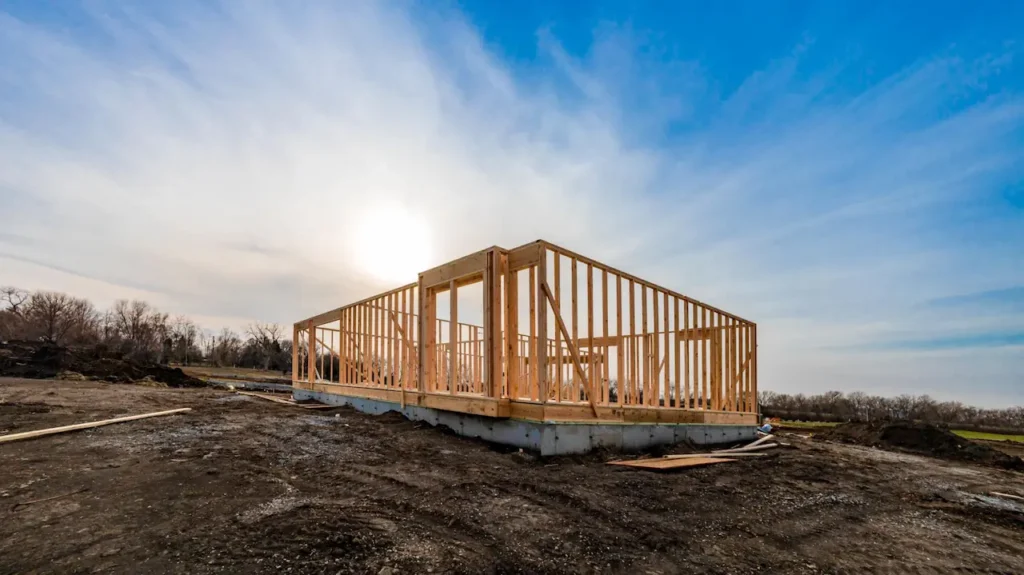
Building a new home involves more expenses than the house itself. Before construction begins, you may already be paying for land, surveys, plans, engineering, permits, financing, and site preparation.
Once construction starts, foundations, framing, mechanical systems, finishes, subcontractors, material orders, inspections, and changes all begin affecting the budget.
That is why I recommend creating a new home construction budget checklist before committing your available money.
Your budget should show not only what you expect to spend but also what has been quoted, committed, changed, and actually paid.
What Should a New Home Construction Budget Include?
Every project is different, but most new home budgets contain similar major categories.
The mistake I want homeowners to avoid is budgeting only for the obvious construction work while forgetting the expenses surrounding it.
Here is a practical checklist you can use as a starting point.
Complete New Home Construction Budget Checklist
Land and Preconstruction
- Land purchase and applicable closing costs
- Survey and site investigations
- House plans and architectural work
- Structural and other required engineering
- Permit and plan-review fees
- Construction financing expenses
- Required insurance
Site Preparation
- Clearing and tree removal
- Excavation and grading
- Drainage or erosion work
- Driveway and site access
- Temporary power and water
- Utility connections
- Well and septic where applicable
Foundation and Structure
- Footings and foundation
- Waterproofing
- Concrete work
- Framing labor and materials
- Roof structure and sheathing
Exterior Construction
- Roofing
- Windows and exterior doors
- Siding or other exterior finishes
- Exterior trim
- Gutters and garage doors
Major Systems
- Plumbing
- Electrical
- HVAC
- Water heating
- Ventilation
- Low-voltage systems where planned
Interior Finishes
- Insulation and drywall
- Interior doors and trim
- Cabinets and countertops
- Flooring and tile
- Painting
- Plumbing and lighting fixtures
- Appliances and hardware
Final Costs
- Driveway and walkways
- Final grading
- Decks or patios
- Landscaping
- Cleanup and punch-list work
- Final inspections or approvals
Financial Protection
- Construction contingency
- Allowance overages
- Approved changes
- Financing carrying costs
- Unexpected conditions
Use this checklist as a starting point rather than a universal budget. Your actual requirements depend on your property, plans, location, lender, and construction approach.
If you plan to manage the project yourself, understanding what an owner builder is will also help clarify which financial and management responsibilities you may be taking on.
Start With Your Total Project Budget
One of the most important distinctions I make is between your house construction budget and your total project budget.
Suppose you have $600,000 available for the entire project. That does not necessarily mean you should design a house expected to cost $600,000 to construct.
The same money may also need to cover land, site preparation, plans, permits, financing, utilities, exterior improvements, and contingency.
Start with the total amount you can realistically commit and work backward.
If you are comparing different ways to manage the build, review Empower Builds pricing to understand its current consulting structure.
Budget for Land and Site Work Carefully
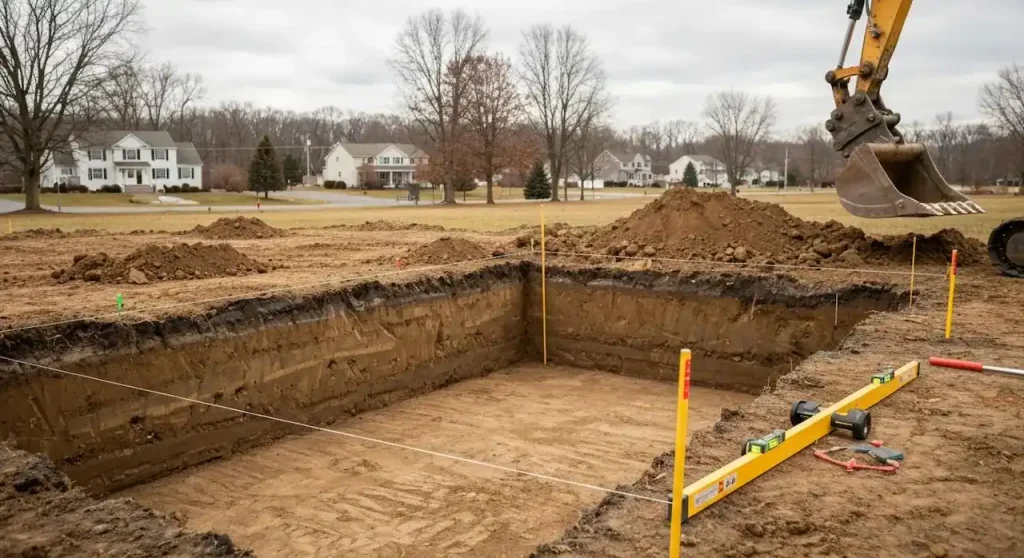
The purchase price of your land does not tell you what the property will cost to develop.
A relatively inexpensive lot may require extensive clearing, grading, excavation, utility extensions, well and septic systems, drainage work, or a long driveway.
I recommend evaluating the property with your intended home in mind.
A lot that costs more upfront but is easier to develop can sometimes make more financial sense than a cheaper property with difficult site conditions.
If you are still evaluating possible home designs, Empower Builds also provides free home plans as an early planning resource.
Replace Estimates With Real Bids
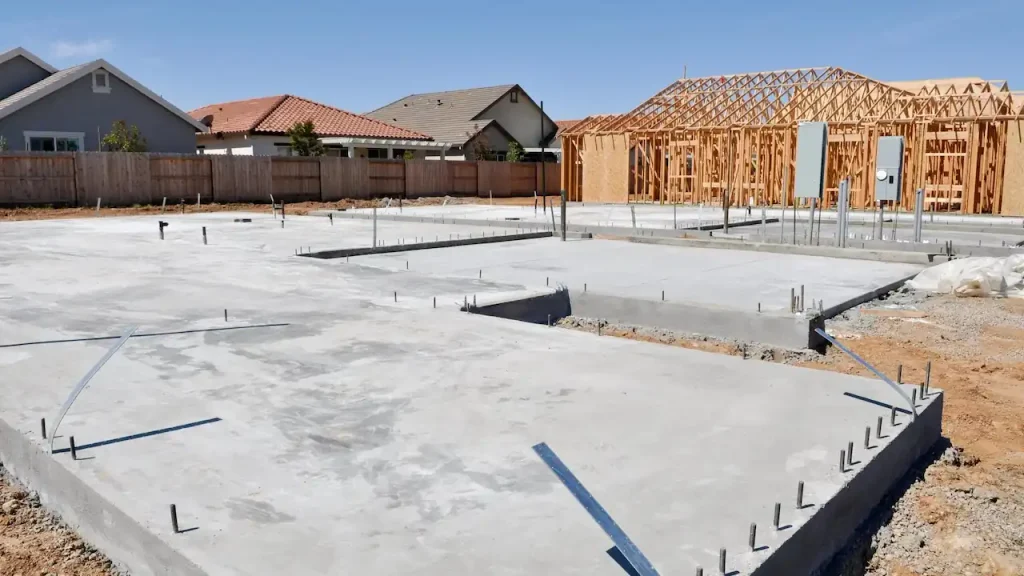
Your first construction budget will contain estimates. That is normal.
But those estimates should gradually be replaced with actual project information.
As your plans become more complete, request detailed subcontractor bids and compare what each proposal includes.
A $20,000 plumbing proposal is not necessarily cheaper than a $25,000 proposal if the first excludes fixtures or work included in the second.
Compare Scope, Not Just Price
Look at the work included, exclusions, materials, payment terms, and other project requirements before selecting a subcontractor.
This is especially important for plumbing, electrical, HVAC, site work, framing, and other major categories where differences in scope can significantly affect the final price.
You can review what Empower Builds does for more information about budgeting, bid review, scheduling, and owner-builder support.
Create Realistic Allowances for Finishes
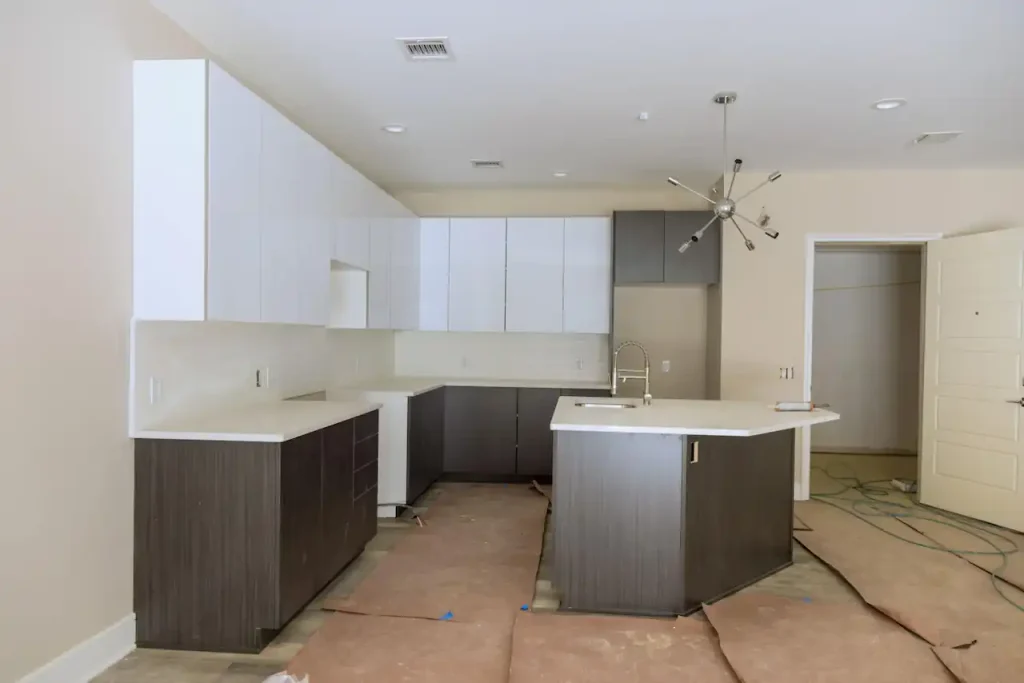
Cabinets, countertops, flooring, tile, appliances, lighting, plumbing fixtures, and other selections can quietly push a project over budget.
Allowances are useful when final selections have not been made, but they need to be realistic.
If your budget includes $20,000 for cabinets but the style you actually intend to purchase will cost closer to $35,000, your budget is already understating the project by $15,000.
I recommend testing major allowances against real products before construction begins.
The more selections you make early, the more accurate your budget becomes.
Keep Contingency Separate From Upgrades
Construction contains uncertainty.
Unexpected site conditions, material changes, design details, availability problems, or other legitimate issues may require additional spending.
That is why I recommend maintaining a separate construction contingency.
Do not treat that money as an upgrade fund.
If you spend your contingency on premium flooring, appliances, or countertops early in the project, you may have no financial protection remaining when an actual unexpected cost appears.
Track Changes Against the Total Budget
Individual upgrades can appear manageable while collectively creating a major budget increase.
For example, an $8,000 cabinet upgrade, $5,000 flooring change, $6,000 appliance upgrade, and $3,000 lighting change increase the project by $22,000.
Each decision should therefore be evaluated against the projected final cost—not just whether you can afford that single upgrade today.
I recommend keeping a simple change log showing the original amount, revised cost, difference, approval, and any impact on other work.
Connect Your Budget to the Construction Schedule
A budget tells you how much you expect to spend.
A schedule helps tell you when that money may be needed.
Windows may require early ordering. Cabinets can require deposits months before installation. Subcontractors may expect payment at specific milestones. Construction loans may release money according to a draw process.
Your budget and schedule should therefore work together.
For owner builders using project-management software, Buildertrend support can help organize budgets, schedules, documents, and project communication.
Track Estimated, Committed, and Actual Costs
I recommend tracking three different numbers throughout the project:
Estimated cost is what you currently expect an item to cost.
Committed cost is what you have agreed to through a bid, purchase, contract, or approved change.
Actual cost is what has ultimately been invoiced or paid.
Your construction budget should become more accurate as the project progresses.
If your original budget was $500,000 but current commitments indicate the completed project is heading toward $535,000, continuing to focus on the original $500,000 number will not help you make good financial decisions.
The most useful question is:
What do I currently expect the completed project to cost?
Can an Owner Builder Have More Control Over the Budget?
Acting as an owner builder can provide greater visibility into subcontractor bids, selections, material costs, schedules, payments, and changes.
But more control also means more responsibility.
You need to understand bids, monitor the budget, coordinate schedules, keep records, manage decisions, and recognize when changes may affect other parts of the project.
If cost control is part of your reason for considering this approach, read about the potential financial advantages of building your own home. Potential savings depend on the individual project and should not be treated as guaranteed.
Use Your Budget to Make Better Decisions
A good new home construction budget checklist is not designed to predict every dollar perfectly before construction starts.
Its purpose is to make sure the major expenses are identified, estimates become more accurate as information improves, unexpected costs have financial protection, and every major decision is evaluated against the complete project.
Your budget should always help you answer two questions:
How much have I spent?
And more importantly:
How much do I currently expect the completed home to cost?
If you are preparing your budget and want guidance with bids, schedules, project organization, or the overall owner-builder process, contact Empower Builds to discuss your project.
Frequently Asked Questions
What should be included in a new home construction budget?
Include land, site preparation, plans, engineering, permits, structural construction, mechanical systems, interior finishes, utilities, financing, exterior improvements, landscaping, contingency, and other project-specific expenses.
Should land be included in my construction budget?
Yes. Include land in the total project budget, but track it separately from house construction so you can clearly understand where your overall project costs are going.
What construction costs are commonly forgotten?
Site work, permits, engineering, utility connections, temporary utilities, financing expenses, delivery charges, equipment, driveways, landscaping, cleanup, and other costs outside the main house estimate may be overlooked.
What is a construction allowance?
An allowance is an estimated amount reserved for an item that has not been fully selected or priced. Spending above the allowance increases your projected construction cost.
How often should I update my construction budget?
Update the budget whenever meaningful financial information changes, including new bids, purchases, approved changes, invoices, payments, and selections.
Should I choose the lowest subcontractor bid?
Not automatically. Compare the work included, exclusions, materials, experience, payment requirements, and other relevant factors alongside price before choosing a subcontractor.